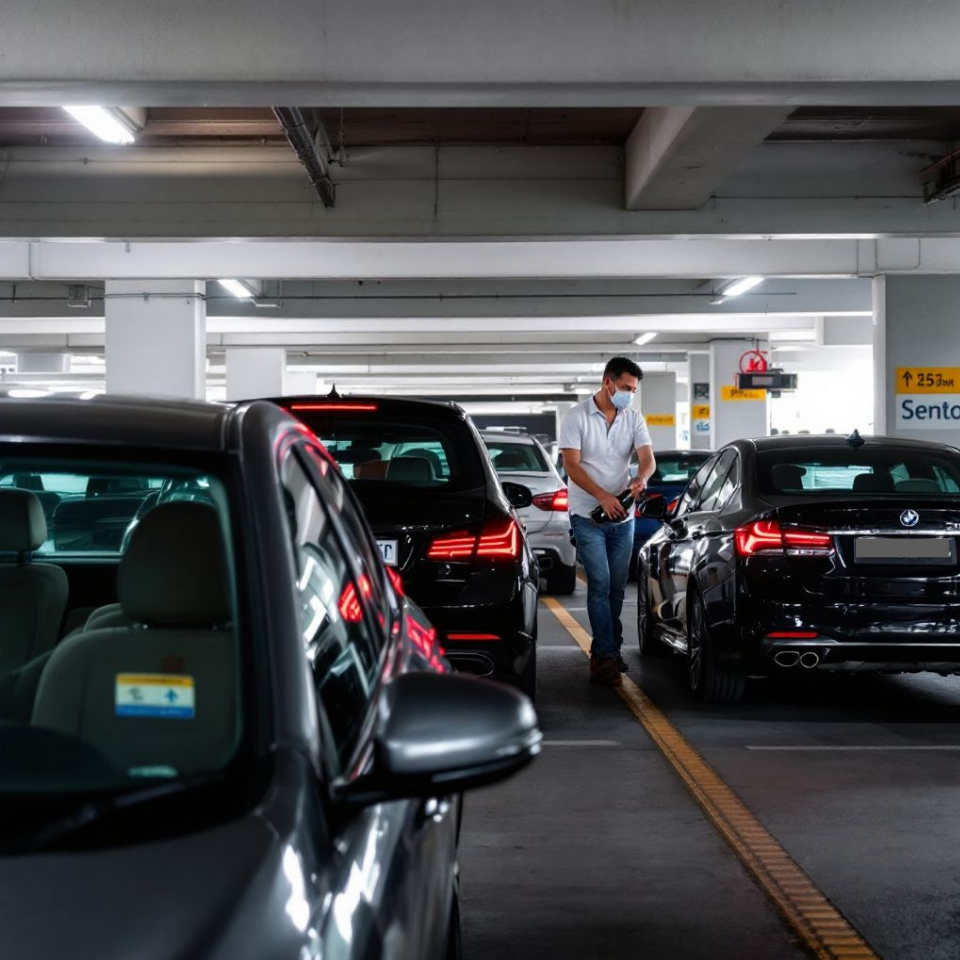

If you’re wondering how to apply vep for singapore car, the process involves four essential steps. First, register online through the VEP portal. Next, gather the required documents, ensuring they are accurate and complete. Then, book an appointment for verification.
Finally, collect and install the RFID tag on your vehicle.
Each step is crucial to comply with Singapore’s vehicle entry regulations.
Skipping or mishandling any part of the process could lead to delays or penalties.
Following the correct procedure below to ensures a smooth and hassle-free experience. 🚗
What is a Vehicle Entry Permit (VEP)?
Definition and Purpose of the VEP
The Vehicle Entry Permit (VEP) is a mandatory requirement for all Singapore-registered vehicles entering Malaysia. It acts as an identification system for vehicles and ensures compliance with cross-border regulations. The VEP is linked to an RFID tag, which facilitates seamless payment of road charges and toll fees through the Touch N’ Go eWallet.
Here’s a quick overview of the VEP system:
|
Aspect |
Details |
|---|---|
|
Definition |
A permit required for Singapore-registered vehicles entering Malaysia. |
|
Purpose |
To regulate vehicle entry and ensure proper payment of road charges and tolls. |
|
Road Charge |
RM20 (S$6.40) per entry into Malaysia. |
|
Recent Updates |
Enforcement resumed on April 8, 2022, after a temporary waiver period. |
|
Required Documents |
NRIC, passport, vehicle road tax, insurance, model, and COE details. |
|
Tag Collection Options |
Collect in Johor or request delivery to Singapore or Malaysia. |
The VEP system simplifies cross-border travel while ensuring that all vehicles contribute fairly to road maintenance costs.
Why the VEP is Mandatory for Foreign-Registered Cars
The Malaysian Ministry of Transport mandates the VEP for all foreign-registered vehicles entering Johor from Singapore. This regulation helps monitor and manage the influx of vehicles crossing the border daily. Without the VEP, it would be challenging to track vehicle entries and enforce road charge payments. The VEP also ensures that foreign-registered vehicles comply with Malaysian traffic laws. By linking the RFID tag to the vehicle, authorities can quickly identify and address any violations.
This system promotes road safety and maintains order at border checkpoints.
Consequences of Not Having a VEP
Failing to obtain a VEP can lead to serious consequences. Vehicles without a valid VEP may be denied entry into Malaysia. Drivers could also face penalties or fines for non-compliance. Additionally, the absence of an RFID tag means you won’t be able to pay road charges or toll fees, which could result in further complications.
To avoid these issues, ensure you complete the VEP application process before traveling. The process involves online registration, document submission, and RFID tag installation.
Taking these steps will save you time and prevent unnecessary stress at the border.
Step-by-Step Guide to VEP Application Singapore
Online Registration Process
Creating an Account on the VEP Portal
The first step in the VEP application Singapore process is creating an account on the official VEP portal. Visit the website and register by providing your personal details, such as your name, email address, and contact number. You will also need to create a secure password for your account.
Once registered, log in to access the application form.
Filling Out the Application Form
After logging in, complete the application form by entering the required information about yourself and your vehicle. This includes your NRIC or passport number, vehicle registration details, and insurance information. Double-check all entries to ensure accuracy.
Incorrect details can delay the approval process. Once you’ve filled out the form, submit it online and wait for a confirmation email.
Preparing Required Documents
List of Necessary Documents
To complete your VEP application, you must prepare several essential documents. These include:
-
A printed copy of your VEP confirmation slip.
-
Written confirmation of your appointment slot.
-
A photocopy of your NRIC and passport.
-
Your vehicle registration documents.
-
Proof of your latest insurance coverage.
Having these document ready inside a document organizer or portable file folder will streamline the process during your appointment.
Tips for Document Accuracy
Ensuring the accuracy of your documents is highly critical. Verify that all information matches the details you provided during registration. For example, check that your vehicle registration number and insurance policy dates are correct. Keep both original and photocopied versions of your documents. This preparation minimizes the risk of delays or rejections during the application process. If you ever need to print some updated document in the last minute, having a mini portable printer around might be a lifesaver.
Booking an Appointment
How to Schedule an Appointment
Once your application is submitted, you will receive a confirmation email. Use the link provided in the email to schedule an appointment for RFID tag installation. Select a date and time that works best for you. Appointments are typically available at designated centers near the Singapore-Malaysia border.
What to Expect During the Appointment
During your appointment, bring all the essential documents you prepared earlier. The staff will verify your details and install the RFID tag on your vehicle. The process is straightforward and usually takes about 15-20 minutes.
Ensure your vehicle is clean and accessible to facilitate the installation. After the appointment, you’ll be ready to use your VEP for seamless travel.
Payment Process
Accepted Payment Methods
When it comes to paying for your VEP application, you have several convenient options. The system accepts payments through major credit cards, debit cards, and online banking platforms. You can use Visa, Mastercard, or other widely recognized payment methods.
If you prefer online banking, ensure your account is enabled for transactions in Malaysia.
For those using e-wallets, the Touch N’ Go eWallet is the preferred choice. This platform simplifies the payment process and links directly to your RFID tag for road charges and toll fees. Before proceeding, check that your eWallet has sufficient balance to cover the fees.
Here’s a quick overview of accepted payment methods:
|
Payment Method |
Details |
|---|---|
|
Credit/Debit Cards |
Visa, Mastercard, and other major providers are accepted. |
|
Online Banking |
Ensure your account supports cross-border transactions. |
|
Touch N’ Go eWallet |
Recommended for seamless road charge and toll fee payments. |
To avoid delays, confirm your payment method is active and ready for use before starting the application process.
Payment Confirmation and Receipt
After completing your payment, the system generates a confirmation receipt. This receipt serves as proof of payment and is essential for the next steps in your VEP application. You will receive the receipt via email, so ensure your email address is accurate during registration. Save a digital copy of the receipt and print a physical version.
You’ll need this document during your appointment for RFID tag installation. If you don’t receive the receipt within 24 hours, check your spam folder or contact support for assistance.
The receipt also includes details like the transaction ID, payment amount, and date. Double-check these details to ensure everything matches your records. If you notice any discrepancies, report them immediately to the VEP portal’s support team. By following these steps, you can complete the payment process smoothly and move forward with your VEP application.
How to Obtain and Install the VEP RFID Tag
Collecting the RFID Tag
Designated Collection Centers
You can collect your VEP RFID tag through two main methods: self-collection or home delivery. Self-collection is available at designated centers in Johor, and you will receive an email notification from JPJ (Jabatan Pengangkutan Jalan) once your tag is ready.
If you prefer convenience, opt for home delivery to an address in Singapore or Malaysia. However, this service comes with additional fees.
Here’s a breakdown of the collection options:
|
Collection Method |
Details |
|---|---|
|
Self-collection |
Collect your VEP RFID tag in Johor after receiving an email notification from JPJ. |
|
Home delivery |
Tags can be delivered to your address in Singapore or Malaysia for an additional fee. |
|
Fees |
Processing fee: RM10, Service fee: RM30, Postage fee: ~RM15 (for Singapore delivery). |
Required Documents for Collection
When collecting your RFID tag, ensure you bring the following documents:
-
A printed copy of your VEP confirmation slip.
-
Your appointment confirmation email.
-
A photocopy of your NRIC or passport.
-
Vehicle registration documents.
-
Proof of valid insurance coverage.
Double-check these documents before heading to the collection center. Missing or incorrect paperwork could delay the process, be sure to bring along a travel wallet for passport and car documents.
Installing the RFID Tag
Step-by-Step Installation Guide
Installing the VEP RFID tag is straightforward if you follow the correct steps. Here’s a guide to help you:
|
Step |
Description |
|---|---|
|
1 |
Register online for a VEP by entering your personal and vehicle details on the official website. |
|
2 |
Schedule an appointment for installation after receiving a confirmation email. |
|
3 |
Prepare essential documents, including your VEP confirmation slip, appointment details, and vehicle papers. |
|
4 |
Visit the designated center, where the RFID tag will be installed on your vehicle for a fee of RM10 (S$3.30). |
The installation process typically takes 15-20 minutes. Ensure your vehicle is clean and accessible to make the process smoother.
Common Installation Mistakes to Avoid
Avoiding common mistakes during installation can save you time and effort. Here are some issues to watch out for:
|
Mistake Type |
Details |
|---|---|
|
Incorrect tag placement |
Ensure the tag is attached as instructed. |
|
Double tagging |
Do not install multiple tags on the same vehicle. |
|
Improper deactivation of old tags |
Remove any previous RFID tags before installation. |
|
Failure to respond to alarms |
Address any system alerts immediately. |
Pay attention to the instructions provided during installation to avoid these errors.
Troubleshooting RFID Tag Issues
Replacing a Damaged or Lost Tag
If your RFID tag gets damaged or lost, you can request a replacement. Visit the VEP portal and follow the replacement procedures outlined there. You may need to provide proof of the original tag and pay a replacement fee. Keep your replacement receipt safe, as it serves as proof of the new tag. To avoid any last minute car related emergencies, you will be glad to have a set of car roadside emergency kit lying around in your boot.
Resolving RFID Tag Malfunctions
If your RFID tag malfunctions, consider these troubleshooting tips:
-
Purchase RFID components from reputable suppliers to ensure compatibility.
-
Regularly update your RFID software and hardware.
-
Replace worn-out tags promptly to maintain functionality.
-
Keep spare tags and develop a backup plan for emergencies.
For persistent issues, contact the VEP support team for assistance. They can guide you through resolving technical problems effectively.
Common Issues During the VEP Application Process
Application Rejections
Reasons for Rejection
Rejections during the VEP application can occur for several reasons. One common issue is submitting incomplete or inaccurate information. For example, mismatched details between your vehicle registration and insurance documents can lead to immediate disqualification. Another frequent problem is failing to upload clear copies of required documents, such as your NRIC or passport. These errors often delay the process and may require you to start over.
Logistical challenges on the Malaysian side contribute to rejections. The infrastructure struggles to handle the high volume of applications, especially near deadlines. This limitation can result in applications being turned away or delayed, causing frustration for drivers.
How to Reapply Successfully
If your application gets rejected, don’t worry. You can reapply by addressing the issues that caused the rejection. Start by reviewing the rejection notice carefully. It will outline the specific reasons for the denial. Correct any errors in your documents or application form before resubmitting.
Double-check that all information matches and ensure your documents are clear and legible.
To avoid future rejections, prepare your application early. This gives you enough time to resolve any issues before the deadline. Also, consider using Singapore’s OneMotoring database to digitize your application. This system securely transmits your information to Malaysian authorities, reducing the risk of errors and delays.
Technical Issues with the Online Portal
Resolving Login Problems
Many drivers face login issues when accessing the VEP portal. These problems often stem from forgotten passwords or incorrect email addresses. To resolve this, use the “Forgot Password” feature on the portal. Ensure you enter the correct email address associated with your account.
If you still can’t log in, clear your browser cache or try using a different browser.
Another common issue is server downtime, especially during peak application periods. If the portal is unresponsive, wait a few hours and try again. Planning your application during off-peak hours can help you avoid these technical glitches.
Contacting Support for Assistance
When technical issues persist, contacting support is your best option. The VEP portal provides a dedicated helpdesk for resolving user problems. You can reach out via email or phone. Be prepared to provide details about your issue, such as error messages or screenshots. This helps the support team address your problem more efficiently.
If you’re unable to get a response, consider visiting a physical VEP center for assistance. While this may take more time, it ensures your issue gets resolved. Always keep a record of your communication with support for future reference.
Delays in Processing
Expected Processing Times
The VEP application process typically takes a few weeks to complete. However, delays are common, especially during peak travel seasons. Logistical limitations on the Malaysian side often slow down the process.
For instance, the infrastructure struggles to handle the surge of applications near deadlines. This can result in longer waiting times for approval and RFID tag collection.
Tips to Avoid Delays
To minimize delays, start your application well in advance. Early preparation gives you enough time to address any issues that arise. Digitizing your application through Singapore’s OneMotoring database can also speed up the process. This system eliminates the need for physical visits to Malaysian processing centers, saving you time and reducing stress. Ensure all your documents are accurate and complete before submission.
Double-check your application form for errors. If possible, schedule your appointment during off-peak hours to avoid long queues at collection centers. These steps can help you complete the VEP process smoothly and on time.
Tips for a Smooth VEP Application Process
Double-Check All Documents
Accuracy is key when applying for your VEP. Before submitting your application, review every document carefully. Ensure that the details on your vehicle registration, insurance, and identification documents match the information you entered during the online registration process. Even a small error, like a typo in your vehicle registration number, can delay your application.
Organize your documents in a logical order. For example, place your VEP confirmation slip, appointment details, and identification documents together. This makes it easier to present them during your appointment.
If you’re unsure about any requirement, refer to the official VEP portal for guidance. Taking these steps ensures your application proceeds without unnecessary delays.
Apply Well in Advance
Timing plays a crucial role in the VEP application process. Start your application as early as possible, especially if you plan to travel during peak seasons. Processing times can extend due to high demand, particularly around holidays or long weekends.
Submitting your application early gives you enough time to address any issues that may arise.
Plan your appointment for RFID tag installation ahead of time. Slots at collection centers near the Singapore-Malaysia border fill up quickly. Booking early ensures you secure a convenient date and time. Early preparation also reduces stress, allowing you to focus on other aspects of your trip.
Keep Copies of All Submissions
Maintaining copies of your submissions is a simple yet effective way to avoid complications. Save both digital and physical copies of your VEP confirmation slip, payment receipt, and other essential documents – having a USB flash drive will be useful for document backups. These copies serve as backups in case you lose the originals or need to reference them later. Store your digital copies in a secure location, such as a cloud storage service or a dedicated folder on your device.
For physical copies, use a folder to keep everything organized. Having these backups ensures you’re prepared for any unexpected situations, such as technical issues or misplaced documents.
Stay Updated on VEP Rules and Regulations
Staying informed about the latest Vehicle Entry Permit (VEP) rules ensures a hassle-free experience when traveling between Singapore and Malaysia. Regulations can change over time, and keeping up-to-date helps you avoid unexpected issues at the border. If you frequent cross the border over to Malaysia, having a dash cam for cross border driving is almost mandatory these days.
Here are some practical ways to stay informed and ensure compliance.
1. Regularly Check Official Websites
The official VEP portal and the Malaysian Ministry of Transport website are your primary sources of accurate information. These platforms provide updates on application procedures, fees, and enforcement dates. Bookmark these websites and visit them periodically to stay informed. For example, recent updates on the resumption of VEP enforcement were announced on these platforms.
2. Subscribe to Notifications
Many official websites and apps offer subscription services for updates. Sign up for email alerts or push notifications from the VEP portal. These notifications can inform you about changes in requirements, new features, or deadlines. Staying subscribed ensures you never miss critical updates.
3. Follow Social Media Channels
Government agencies often share updates on their social media accounts. Follow the Malaysian Ministry of Transport and related agencies on platforms like Facebook or Twitter. Social media posts can provide quick insights into new developments, such as changes in VEP fees or RFID tag collection procedures.
4. Join Online Communities
Online forums and social media groups dedicated to cross-border travel between Singapore and Malaysia are excellent resources. Members often share their experiences and tips, which can help you navigate the VEP process more efficiently. However, always verify information from these groups with official sources to ensure accuracy.
5. Monitor News Outlets
Local news outlets frequently report on updates related to VEP regulations. Keep an eye on reputable news websites or subscribe to their newsletters. News articles often provide context and analysis, helping you understand how changes might affect your travel plans.
6. Keep Your Documents Updated
Changes in VEP rules may require updated documents. Regularly review your vehicle registration, insurance, and identification documents to ensure they meet current requirements. This proactive approach saves time and prevents last-minute complications.
By following the above steps, you can stay informed and prepared for any updates to VEP rules. Staying proactive not only saves time but also ensures a smoother travel experience between Singapore and Malaysia. Understanding how to apply vep for singapore car ensures a smooth and stress-free journey across the border. Following the outlined steps—online registration, document preparation, appointment booking, and RFID tag installation—helps you avoid delays and penalties.
Staying organized and proactive is key to completing the process efficiently. Always double-check your documents and stay updated on the latest VEP regulations. This preparation not only saves time but also ensures compliance with Singapore’s vehicle entry rules, making your travel experience seamless.
FAQ
What is the cost of applying for a VEP?
The VEP application itself is free. However, you must pay a processing fee of RM10 (S$3.30) for the RFID tag. Additional charges may apply for home delivery or replacement of lost tags.
How long does it take to process a VEP application?
The processing time usually takes 2-4 weeks. During peak travel seasons, it may take longer. Apply early to avoid delays and ensure your RFID tag is ready before your trip.
Can I apply for a VEP without a valid insurance policy?
No, a valid insurance policy is mandatory for the VEP application. Ensure your vehicle insurance is up-to-date and covers cross-border travel before starting the process.
Where can I collect my RFID tag?
You can collect your RFID tag at designated centers in Johor or opt for home delivery. Check your email for collection instructions after your application is approved.
What should I do if I lose my RFID tag?
If you lose your RFID tag, request a replacement through the VEP portal. You’ll need to provide proof of your original application and pay a replacement fee.
Can I use the same RFID tag for multiple vehicles?
No, each RFID tag is linked to a specific vehicle. You must apply for a separate VEP and RFID tag for every vehicle you plan to use in Malaysia.
What happens if I don’t have a VEP when entering Malaysia?
Without a VEP, your vehicle may be denied entry into Malaysia. You could also face fines or penalties for non-compliance with Malaysian regulations.
Is the VEP valid indefinitely?
No, the VEP is valid for five years. After this period, you must renew your application and update your RFID tag to continue using your vehicle in Malaysia.