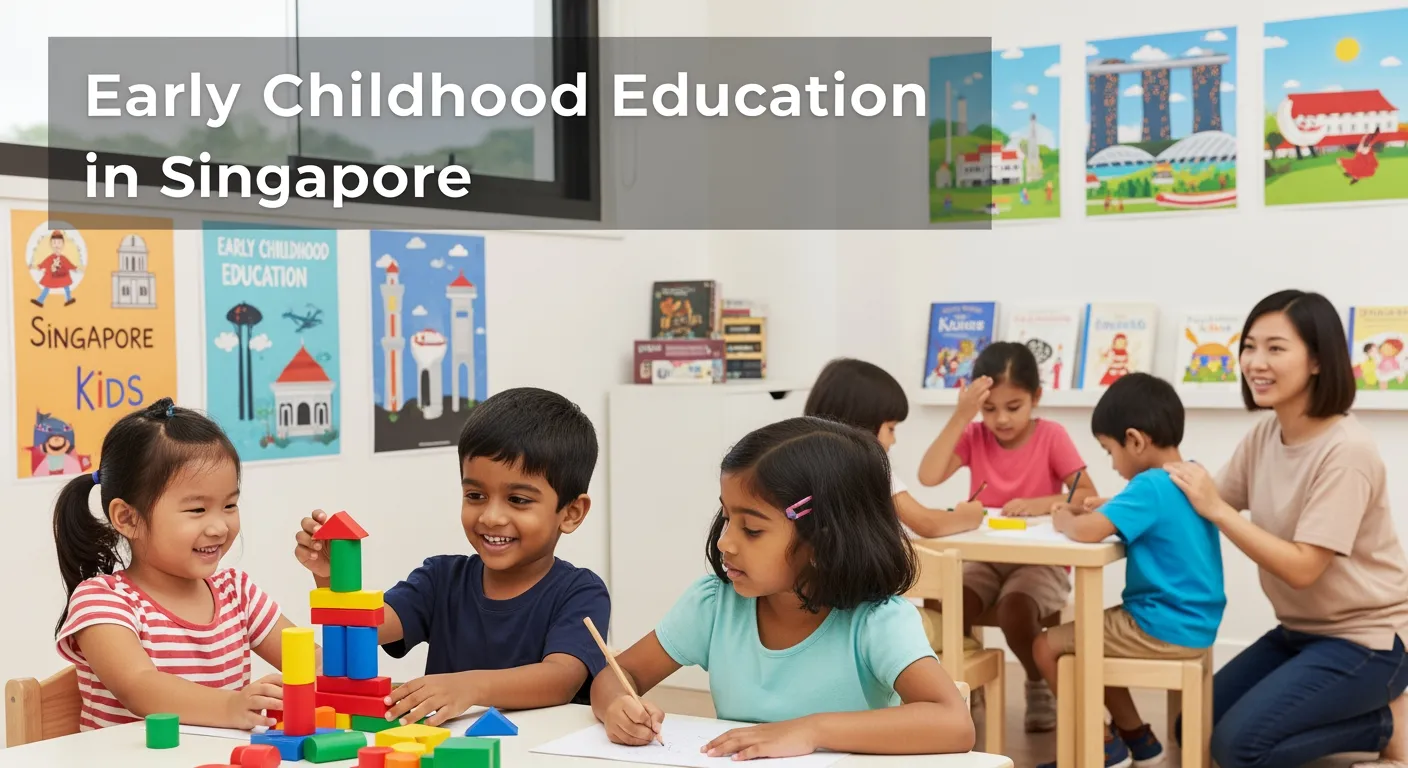
Early childhood education in Singapore is very important for kids. It helps them learn problem-solving, talking, and handling emotions. These early years are key to building strong learning skills. Parents can support their kids by knowing how these programs help them grow socially, mentally, and physically. Singapore’s planned system gives kids good care and learning based on their needs. This well-rounded approach gets them ready for school and life success.
Age Range and Developmental Stages
Knowing the age range and growth stages helps parents pick the best program. Singapore’s system ensures kids get care and learning that fits their age.
Age Groups in Early Childhood Education
In Singapore, early education is split into age groups. This setup helps meet kids’ specific learning and growth needs.
Infant Care (0-18 months)
Infant care is for babies starting at two months old. These programs focus on safety and comfort. Babies build trust and feel secure. Activities include sensory play and light exercises to help them grow.
Playgroup (18 months-3 years)
Playgroups help toddlers learn to interact and follow routines. Kids do activities like sharing and talking. They also practice basic movements. Play-based learning helps them explore and gain confidence.
Nursery (3-4 years)
Nursery programs teach early skills like talking, counting, and socializing. Kids start solving problems and expressing themselves better. These programs prepare them for kindergarten.
Kindergarten (4-6 years)
Kindergarten gets kids ready for primary school. They practice reading, math, and thinking skills. Group projects and art activities teach teamwork and creativity.
|
Program Type |
Age Range |
|---|---|
|
Infant Care |
0–18 months |
|
Playgroup |
18 months–3 years |
|
Nursery |
3–4 years |
|
Kindergarten |
4–6 years |
Developmental Milestones
Kids reach big milestones during early education. These are key for their growth and future learning.
Social and Emotional Growth
Programs teach kids to make friends and handle feelings. Group activities show them how to share and work with others.
Cognitive and Language Development
Kids improve memory and problem-solving skills. They also learn to talk better. Stories, songs, and games help them grow these abilities.
Physical and Motor Skills
Physical activities help kids move and use their hands better. They practice holding things and running through fun exercises.
Teaching Philosophy and Curriculum in Early Childhood Education
Common Teaching Approaches
Play-Based Learning
Play-based learning lets kids learn while playing. It helps them think creatively, solve problems, and make friends. Activities like building blocks, acting out stories, and telling tales let kids learn while having fun. This method keeps kids interested because they enjoy learning through play.
Inquiry-Based Learning
Inquiry-based learning focuses on asking questions and exploring ideas. Teachers guide kids to ask, observe, and find answers. For example, kids might watch plants grow and talk about it. This way, they learn to think critically and love discovering new things. It also helps them feel confident about learning on their own.
Montessori and Other Methods
The Montessori method teaches kids to learn by doing things themselves. They use special tools to explore and learn at their own speed. Other methods, like Reggio Emilia, focus on teamwork and creativity. These approaches respect how each child learns best, making learning personal.
Curriculum Focus Areas
Language and Literacy Skills
Language skills help kids talk, read, and write better. Programs in Singapore focus on reading stories, singing songs, and learning sounds. These activities grow their vocabulary and understanding. Kids learn to listen and speak clearly, preparing for school success.
Numeracy and Problem-Solving
Numeracy teaches kids about numbers and solving problems. They count objects, find patterns, and do simple math. These fun activities make math easy to understand. They also help kids think logically and stay curious.
Arts, Music, and Physical Education
Creative activities like drawing, singing, and dancing let kids express themselves. Physical activities like running and jumping improve coordination and health. These experiences make kids happy and confident. They also help kids enjoy time with family, friends, and school.
Facilities and Environment in Early Childhood Care
Purpose-Built Facilities
Safe and Child-Friendly Spaces
Preschools in Singapore are built to be safe and comfy. These places follow SPARK rules, which check over 40 safety points. Classrooms have soft furniture edges and floors that don’t slip. Play areas are secure to keep kids safe from harm. The ECDA makes sure these schools meet strict safety standards. This helps kids feel safe while they learn and play.
Outdoor Play Areas and Green Spaces
Outdoor spaces are important for kids’ growth and fun. Many preschools have gardens, sandboxes, and climbing toys. These areas help kids move and play with nature. Playing outside builds motor skills and sparks creativity. Studies show outdoor play helps kids do better in school.
Nature play also makes kids curious and excited to learn.
Learning Environments
Interactive and Stimulating Classrooms
Classrooms are designed to keep kids active and learning. The NEL Framework helps teachers set up learning corners. These corners focus on reading, art, and solving problems. Kids can explore and learn at their own speed.
For example, a reading area with bright books can boost imagination. It also helps kids get better at reading and writing.
Technology Integration in Learning
Technology makes learning fun and exciting for kids. Preschools use tablets, smart boards, and apps to teach. These tools help kids learn math and language in fun ways. Technology also lets kids learn at their own pace. When used well, it works with regular teaching methods. It also gets kids ready for a world full of technology.
Benefits of Early Childhood Education for Children
Social and Emotional Development
Making Friends and Learning Teamwork
Early education helps kids learn important social skills. Group activities like stories, acting, and games teach sharing and teamwork. These activities help kids make friends and work well with others. Studies show good early education improves confidence and love for learning. Through joining these activities, kids learn to build strong friendships.
Gaining Confidence and Independence
Early learning helps kids explore and make choices on their own. Picking tasks or solving small problems boosts their confidence. Singapore uses the EASEL Approach to teach emotional control and resilience. These programs let kids take safe risks, helping them grow independent.
They also prepare kids to handle challenges with courage.
Cognitive and Academic Growth
Learning Basic Skills Early
Good early education teaches kids reading, counting, and problem-solving. For example, they learn letters, count items, and spot patterns. Research shows kids with these skills do better in school. In Singapore, programs help all kids get ready for success.
Inspiring Curiosity and Creativity
Early education makes kids curious and eager to learn. Asking questions and exploring things like plants or colors sparks creativity. These fun activities also teach kids to think critically. Studies show early learning benefits last and even grow over time.
Long-Term Advantages
Easier Move to Primary School
Kids in early education adjust better to primary school routines. They know classroom rules and basic lessons. Research in Singapore shows preschool helps kids succeed in school.
Loving to Learn Forever
Early education makes learning fun and exciting for kids. Activities like music, stories, and experiments keep them curious. This love for learning often lasts a lifetime. Good early education prepares kids for school and a happy future.
How to Begin Early Childhood Education in Singapore
Finding and Choosing Schools
Knowing School Types
To start, learn about the types of schools. Singapore has government-supported and private preschools. Government-supported schools, like MOE Kindergartens, are affordable and high-quality. Private schools may use special methods like Montessori or Reggio Emilia. Each type suits different needs.
Pick one that fits your child’s learning style and your family’s goals.
Comparing Costs and Locations
Think about cost and location when choosing a school. A nearby school is more convenient for daily travel. Affordable fees make it easier to manage long-term. Studies show parents care most about cost and reliability. Use the ECDA website to compare fees and find schools close to you.
This helps you pick a good school that works for your budget.
Touring Schools and Attending Open Houses
Questions to Ask During Tours
Visiting schools helps you understand their teaching and environment. Ask about the curriculum, teacher training, and class sizes. Find out how they help kids grow socially and emotionally. For example, do they use play-based learning? This method matches Singapore’s goal of balanced, stress-free education.
Watching Classrooms and Teachers
Look at how classrooms are set up and how teachers act. Good classrooms have fun, safe spaces for kids to learn. Teachers should be kind and pay attention to the kids. Schools under the SPARK program meet strict quality standards.
Checking these details helps you decide if the school is right for your child.
Enrollment Steps
Deadlines and Needed Documents
Start applying early so you don’t miss deadlines. Schools usually ask for documents like birth certificates and health records. Check each school’s specific requirements. Government guides, like those from the Ministry of Education, make this process easier to follow.
Helping Your Child Adjust
Prepare your child for school by creating routines like school schedules. Activities like reading and group play can help them feel ready. Early preparation makes the transition smoother. Studies show kids who aren’t ready for school may struggle later. Getting your child ready helps them succeed from the start.
Early childhood education in Singapore helps kids grow well. It builds skills like talking, solving problems, and handling feelings. Look for programs that match your child’s needs and way of learning. Visit schools to see how they teach and check their spaces. Begin by learning about schools and how to apply.
These steps help your child get good care and learning, preparing them for a bright future.
FAQ
What age should my child start early childhood education in Singapore?
Children can join infant care as early as two months old. These programs are for babies up to 18 months. Older kids can join playgroups, nursery, or kindergarten based on their age and growth.
How do I choose the right preschool for my child?
Think about your child’s needs and how they learn best. Visit schools to see classrooms and ask about teaching styles. Compare fees, locations, and facilities. Both government-supported and private preschools offer different options. Choose one that fits your family’s goals.
Are outdoor activities included in early childhood education?
Yes, many preschools have outdoor play in their programs. Kids enjoy activities like gardening, climbing, and playing in sandboxes. These help them move better, think creatively, and stay curious. Outdoor play also improves their health and happiness.
What is the role of technology in early childhood education?
Technology makes learning fun with tools like tablets and apps. These tools keep lessons interesting and let kids learn at their own speed. When used with regular teaching, technology gets kids ready for a tech-filled future.
How can I prepare my child for the transition to preschool?
Set routines similar to school schedules at home. Do group activities and read books with your child. These steps help them feel ready and confident for preschool.