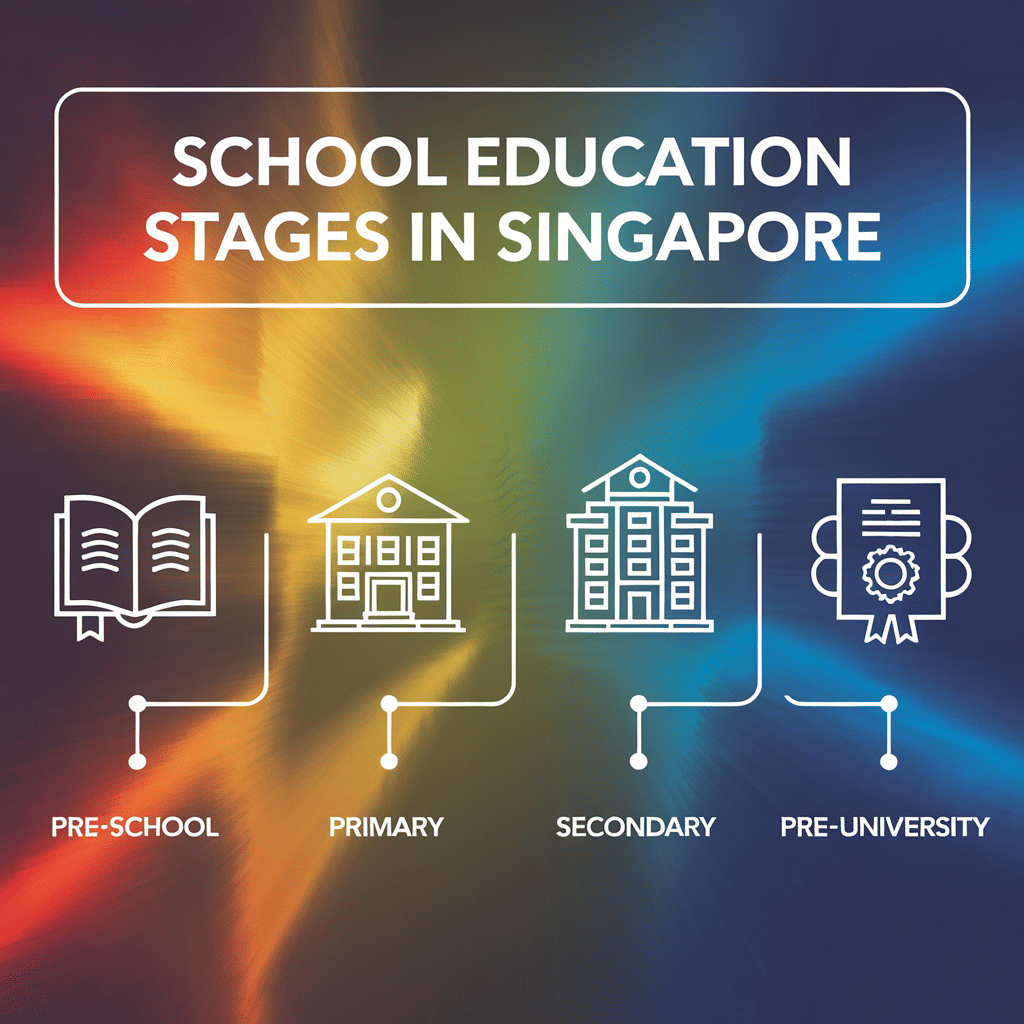
LMS platforms offer personalized support. This helps students and professionals learn new skills. The platforms adapt to each learner’s needs. This increases engagement and improves learning results. Online learning helps people grow personally and professionally. This aligns with Singapore’s Smart Nation Goals.
Online learning in Singapore has redefined education by introducing unprecedented flexibility and accessibility. The Ministry of Education’s National Digital Literacy Programme (NDLP) ensured every secondary student owned a personal learning device by 2021, accelerating the program by seven years. This initiative equips students with essential digital skills, preparing them for a tech-driven future. The COVID-19 lockdown further revealed how online platforms can adapt to educational needs.
Students benefited from self-directed learning, which allowed them to save time on commuting and better manage their personal obligations. However, it’s crucial to address the digital divide and cultivate social connections to ensure continued progress.
Benefits of Online Learning in Singapore
Flexibility and Accessibility
Learning anytime, anywhere
Online education has revolutionized the way students access knowledge, offering unparalleled flexibility. Learners can now attend virtual classes from the comfort of their homes or even while traveling. This convenience eliminates the need for commuting, saving valuable time that can be redirected toward personal growth or extracurricular activities. Platforms like Zoom and Google Classroom have made it possible for students to engage with their courses regardless of geographical barriers.
The Second ICT Masterplan for Education, launched in 2003, further enhanced this flexibility by integrating innovative teaching methods into Singapore’s curriculum. This initiative empowered schools to adopt internet-based learning, creating adaptable environments for students to thrive.
Opportunities for working professionals and non-traditional learners
Online education is not limited to traditional students; it caters to diverse groups, including working professionals and non-traditional learners. SkillsFuture, a government initiative, has been instrumental in promoting lifelong learning and skills development through accessible online courses. Busy professionals can now enroll in the best online classes to upgrade their skills without disrupting their work schedules.
Mobile learning platforms, supported by Singapore’s high mobile connectivity, allow learners to access content on-the-go, making education more inclusive. Whether it’s corporate training or public sector upskilling, virtual classes have opened doors for individuals seeking to enhance their expertise.
Personalized Learning Opportunities
Adaptive learning technologies
Modern learning platforms in Singapore leverage advanced technologies like AI and machine learning to create personalized educational experiences. Adaptive learning systems assess student performance in real-time and adjust learning pathways to suit individual needs.
For instance, AI-driven solutions such as automated English marking systems have significantly improved student engagement and academic performance, particularly for low-progress learners. These systems not only reduce teacher workload but also enable educators to focus on lesson planning and student interaction. The personalization of education ensures that fast learners can progress quickly while slower learners receive additional support.
|
Initiative |
Description |
Impact |
|---|---|---|
|
AI-driven solutions |
Automated English marking and adaptive learning |
Improved engagement and performance for low-progress learners |
|
Automated marking systems |
Evaluation of open-ended questions |
Reduced teacher workload, more time for lesson planning |
|
Adaptive learning systems |
Real-time performance assessment and pathway adjustment |
Personalized education catering to individual student needs |
Catering to diverse learning paces and styles
Singapore’s online education market has embraced technologies that adapt to various learning styles and paces. Platforms like Learning Management Systems (LMS) are designed to provide mobile-first, personalized experiences, aligning with national initiatives such as SkillsFuture and SGUnited. These systems are crucial for continuous skill-building and addressing the diverse needs of learners across sectors.
LMS platforms offer personalized support. This helps students and professionals learn new skills. The platforms adapt to each learner’s needs. This increases engagement and improves learning results. Online learning helps people grow personally and professionally. This aligns with Singapore’s Smart Nation Goals.
Integration with Singapore’s Smart Nation Goals
Leveraging technology to enhance education
Singapore’s Smart Nation initiative emphasizes the integration of technology into various sectors, including education. Online learning platforms play a pivotal role in this transformation by utilizing AI, AR, and VR to create engaging and interactive learning environments. These advancements not only enhance student engagement but also prepare them for a tech-driven future.
The Connected Singapore Plan, introduced in 2003, further strengthened connectivity and access to digital resources, laying the foundation for innovative educational practices.
As Singapore continues to embrace digital transformation, online education remains at the forefront of its Smart Nation goals.
Alignment with Singapore’s digital transformation initiatives
The evolution of Singapore’s IT Masterplans highlights the country’s commitment to integrating technology into education. From the National Computerization Plan in 1980 to the Infocomm Media 2025 Plan, each initiative has contributed to the digital transformation of the education sector. These efforts ensure that students are equipped with the skills needed to thrive in a rapidly changing world.
The timeline below illustrates Singapore’s journey toward a digitally integrated education system:
|
Year |
IT Masterplan |
Description |
|---|---|---|
|
1980 |
National Computerization Plan |
Initiated the use of IT in public services |
|
1986 |
National IT Plan |
Focused on enhancing IT infrastructure |
|
1992 |
IT2000 Plan |
Integrated IT into various sectors, including education |
|
2000 |
Infocom 21 Plan |
Promoted infocomm technology in education |
|
2003 |
Connected Singapore Plan |
Enhanced connectivity and access to digital resources |
|
2010 |
Intelligent Nation Plan |
Emphasized IT’s role in education and economic growth |
|
2015 |
Infocomm Media 2025 Plan |
Further integrated IT in education to prepare students for the workforce |

Online learning in Singapore aligns seamlessly with these initiatives, ensuring that education remains a cornerstone of the nation’s digital transformation.
Challenges of Online Learning in Singapore
Digital Divide and Accessibility Issues
Unequal access to devices and internet connectivity
Online education has brought significant advancements, but not all students in Singapore benefit equally. Unequal access to devices and reliable internet connectivity creates a digital divide that hinders learning opportunities. While initiatives like the National Digital Literacy Programme aim to provide personal learning devices, some households still struggle to afford high-speed internet. This disparity affects students’ ability to participate in virtual classes effectively.
For example, learners in lower-income families may face interruptions due to unstable connections, limiting their engagement with online lessons.
Socioeconomic disparities in digital literacy
Socioeconomic status plays a critical role in shaping digital literacy among students. Studies reveal that learners from higher-income families often have better access to digital resources, enhancing their skills and confidence in navigating online platforms. Conversely, students from less privileged backgrounds may lack exposure to technology, widening the skills gap. This inequity not only impacts academic performance but also limits future opportunities in a tech-driven world.
Addressing these disparities is essential to ensure that every student can thrive in an online learning environment.
Lack of Social Interaction and Its Impact
Reduced opportunities for peer collaboration
The shift to online education has significantly reduced face-to-face interactions, impacting students’ ability to collaborate with peers. Group projects and classroom discussions, which foster teamwork and critical thinking, are harder to replicate in virtual settings. Limited peer interaction can lead to feelings of isolation, making it challenging for students to build meaningful relationships.
Platforms designed for online learning often lack features that encourage real-time collaboration, further exacerbating this issue.
Potential effects on emotional and social development
The absence of regular social interactions can have profound effects on students’ emotional and social development. Research highlights that reduced face-to-face engagement may lead to psychological challenges such as anxiety, loneliness, and even depression. Younger students, in particular, struggle to adapt to the lack of structured social environments.
The table below summarizes findings from studies on the emotional impact of remote learning:
|
Study Focus |
Findings |
|---|---|
|
Remote learning and mental health |
Reduced social interaction leads to anxiety, depression, and loneliness. |
|
Immersive technology for social learning |
Enhances empathy and decision-making through virtual environments. |
|
Social and emotional competencies in kids |
Highlights the need for interactive tools to support emotional growth. |
Hybrid Models as a Solution
Combining Online and Traditional Learning
Blending the strengths of both approaches
Hybrid learning combines the best aspects of online education and traditional classroom methods, creating a balanced and effective approach to teaching. This model allows students to benefit from the flexibility of online platforms while retaining the structure and social interaction of in-person classes.
For instance, online courses enable learners to access materials at their own pace, while face-to-face sessions provide opportunities for hands-on activities and immediate feedback from teachers. This synergy ensures that students receive a well-rounded education tailored to their needs.
Hybrid models also address challenges like commuting and health risks. Students can attend online sessions during periods of illness or adverse weather, ensuring uninterrupted learning.
This approach fosters adaptability by exposing learners to diverse teaching methodologies. Schools in Singapore have embraced this model to prepare students for a future where digital and traditional skills are equally important.
Addressing the limitations of purely online or traditional methods
Purely online education often lacks the personal touch and social interaction that traditional classrooms provide. Conversely, traditional methods may not offer the flexibility and personalized learning opportunities available through online platforms. Hybrid learning bridges this gap by integrating the strengths of both approaches.
For example, students can participate in online discussions to enhance their problem-solving skills while engaging in group projects during in-person sessions to build teamwork.
This model also ensures that students with varying learning styles and paces receive adequate support. Teachers can use online tools to track progress and identify areas where additional help is needed. Meanwhile, classroom interactions allow for real-time clarification of doubts.
Inclusive and effective education is achieved through hybrid learning’s solutions to these constraints.
Online education has become a cornerstone of Singapore’s evolving education system. Its flexibility and alignment with the nation’s Smart Nation goals highlight its transformative potential. The shift toward a student-centered approach, emphasizing personalized and flexible learning, has gained momentum, especially with the adoption of hybrid models.
These models combine the strengths of online platforms and traditional classrooms, ensuring students receive tailored instruction that meets their unique needs.
The Singapore Learning System (SLS) and platforms like Zoom have demonstrated how technology can enhance engagement and learning experiences. However, challenges such as the digital divide, limited social interaction, and ensuring consistent teaching quality must be addressed. With the adoption of hybrid learning, Singapore has the potential to develop an educational system that is inclusive, effective, and prepared for the future, offering advantages to students, working professionals, and children.
FAQ
What is online learning, and how does it work?
Online learning involves accessing educational content and attending classes through digital platforms. Students use tools like Zoom, Google Classroom, or Learning Management Systems (LMS) to interact with teachers, complete assignments, and participate in discussions. This method offers flexibility and personalized learning opportunities.
How does online learning benefit students in Singapore?
Online learning provides flexibility, allowing students to learn at their own pace. It supports personalized education through adaptive technologies and aligns with Singapore’s Smart Nation goals. Students can access diverse resources, save commuting time, and develop essential digital skills for the future.
Are there any challenges associated with online learning?
Yes, challenges include unequal access to devices and internet connectivity, reduced social interaction, and maintaining consistent teaching quality. Addressing these issues requires collaborative efforts from schools, parents, and policymakers to ensure an inclusive and effective learning environment.
How can parents support their children in online learning?
Parents can create a structured routine, provide a quiet learning space, and monitor screen time. They should also engage with teachers, assist with assignments, and encourage regular breaks. Active involvement ensures children stay focused and motivated during online classes.
What is a hybrid learning model?
A hybrid learning model combines online education with traditional classroom methods. Students benefit from the flexibility of virtual platforms and the structure of in-person interactions. This approach addresses the limitations of purely online or traditional methods, creating a balanced and effective learning experience.
How does Singapore address the digital divide in education?
Singapore’s initiatives, like the National Digital Literacy Programme, provide personal learning devices to students. Subsidies for low-income families and public Wi-Fi access aim to bridge the gap in connectivity and ensure equal opportunities for all learners.
Are online classes suitable for young children?
Online classes can be effective for young children when designed with interactive and engaging content. Platforms using gamification and multimedia tools keep kids motivated. However, parental supervision is crucial to manage screen time and ensure a balanced learning experience.
What is the future of online learning in Singapore?
The future of online learning in Singapore lies in hybrid models that blend digital and traditional methods. With advancements in technology and government support, the education system will continue evolving to provide inclusive, flexible, and high-quality learning opportunities for all.