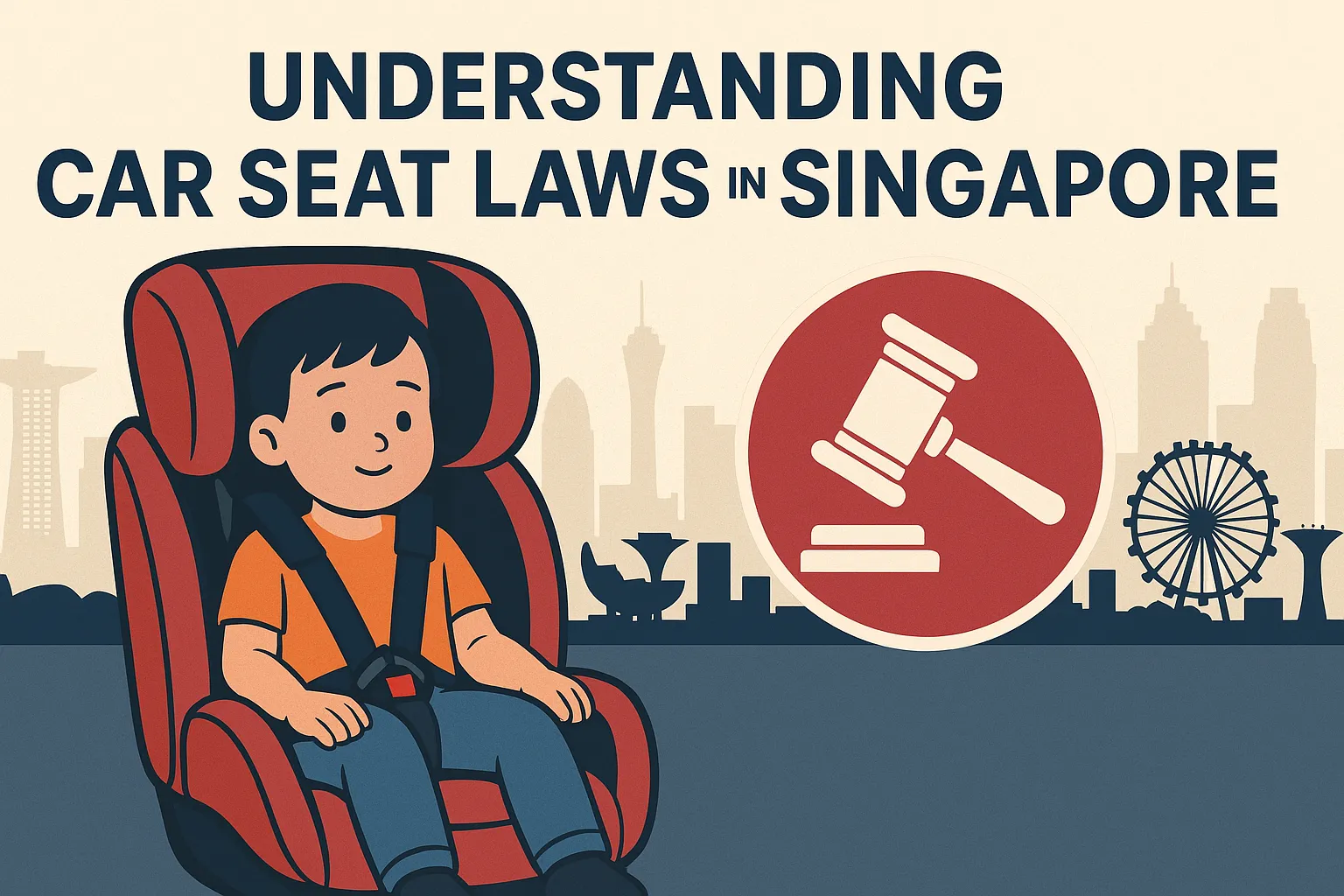
In Singapore, every child under 1.35 meters must use a car seat Singapore parents can trust, designed specifically for their size and age. This legal requirement ensures the safety of infants and toddlers during travel. Violating car seat Singapore regulations can result in fines and other penalties. It’s essential to comply not only to avoid legal consequences but also to protect your child from potential harm in the event of an accident.
As regulations evolve, 2025 introduces updated guidelines to help parents in Singapore make informed decisions. Understanding these changes allows you to prioritize your child’s safety while adhering to car seat Singapore laws.
Legal Requirements for Car Seat Singapore
Age, height, and weight guidelines for child car seat rules
In Singapore, the law requires you to use a child restraint system for children under 1.35 meters in height. This ensures their safety during travel. The type of car seat depends on your child’s age, height, and weight. For infants, a rear-facing infant car seat is essential. Toddlers and young children should transition to forward-facing seats, while older children can use booster seats.
The following table provides a clear breakdown of height parameters and the corresponding car seat requirements:
|
Height Parameter |
Car Seat Requirement |
|---|---|
|
Under 1.35 meters |
Must use an appropriate child restraint (rear-facing, forward-facing, or booster seat) |
|
Over 1.35 meters |
Can use the car’s regular seat belt with proper positioning |
These guidelines align with global safety standards and aim to reduce the risk of injury in accidents. A study on Singapore’s mandatory seatbelt legislation showed a significant drop in road traffic injury mortality rates. The mortality rate decreased from 13.0% before the legislation to 9.7% and 11.4% in the first and second years after implementation. This highlights the effectiveness of child restraints in protecting young passengers.
Penalties for non-compliance with car seat laws
Failing to comply with car seat laws in Singapore can lead to serious consequences. If you transport a child without the proper child restraint, you may face a fine of up to SGD 120 and three demerit points on your driving record. Repeat offenses could result in harsher penalties, including court appearances and higher fines. These penalties emphasize the importance of following child car seat rules. They are not just about avoiding fines but ensuring your child’s safety.
Proper use of a car seat in Singapore significantly reduces the risk of severe injuries during accidents.
Exceptions to car seat regulations in Singapore
While the law is strict, there are a few exceptions to the car seat regulations. For example, taxis and private-hire vehicles like Grab are not required to provide child restraints. However, as a parent, you should still prioritize your child’s safety by bringing your own portable car seat or booster seat when using these services.
Another exception applies to children with medical conditions that prevent them from using standard child restraints. In such cases, you must carry a doctor’s certificate to avoid penalties. These exceptions ensure flexibility while maintaining a focus on safety.
Types of Child Car Seats in Singapore
Picking the proper child car seat is vital for your child’s well-being. Different car seat types offer protection tailored to various stages of a child’s development. Knowing these options empowers you to make the best choices.
Rear-facing car seats for infants and toddlers
A rear-facing car seat is the safest option for infants and toddlers. These seats cradle your child’s head, neck, and spine, offering maximum protection during sudden stops or collisions. For children under two years old, studies show that rear-facing seats reduce the risk of death or serious injury by 75%. They also lower the chance of severe injuries by up to 90% in accidents. Rear-facing seats are ideal for infants because their bodies are still developing. The design distributes crash forces across the strongest parts of their body, such as the back and shoulders.
You should use a rear-facing infant car seat until your child outgrows its height or weight limits, as specified by the manufacturer. Transitioning too early to a forward-facing seat can compromise safety.
Forward-facing car seats for young children
Once your child outgrows a rear-facing car seat, a forward-facing car seat becomes the next step. These seats come equipped with a five-point harness system that secures your child at the shoulders, hips, and between the legs. This design minimizes movement during a collision, reducing the risk of injury.
Forward-facing seats are suitable for toddlers and young children who meet the height and weight requirements.
You should always check the manufacturer’s guidelines to ensure proper use. These seats also often include adjustable harnesses and headrests, allowing them to grow with your child. Using a forward-facing car seat correctly can significantly enhance your child’s safety during travel.
Booster seats for older children
A booster seat is essential for older children who have outgrown their forward-facing car seat but are not yet tall enough to use a regular seat belt. These seats elevate your child, ensuring that the seat belt fits properly across their chest and lap. Improper seat belt positioning can lead to severe injuries in an accident.
Booster seats are designed for children who are at least 1.35 meters tall or have reached the weight limit of their forward-facing seat. They come in two main types: high-back boosters and backless boosters. High-back boosters provide additional support and are ideal for vehicles without headrests. Backless boosters are more portable and work well in cars with built-in headrests. Ensuring the correct use of a booster seat can make a significant difference in your child’s safety.
Tip: Always check the expiration date of your child car seat. Materials can degrade over time, reducing their effectiveness.
Proper Installation of a Child Car Seat
Steps to secure a car seat in Singapore vehicles
Installing a child car seat correctly is essential for your child’s safety. Start by reading the manufacturer’s manual carefully. It provides specific instructions for your infant car seat or toddler seat. Place the car seat in the back seat of your vehicle, as this is the safest location. Use the seat belt or the ISOFIX system to secure the car seat.
The ISOFIX system, common in Singapore vehicles, offers a more stable and straightforward installation.
Ensure the car seat does not move more than an inch in any direction when secured. For rear-facing seats, adjust the recline angle to support your infant’s head and neck. Most car seats have indicators to help you achieve the correct angle.
Finally, fasten the harness snugly around your child. The straps should lie flat without any twists, and you should not be able to pinch any slack.
Common mistakes to avoid during installation
Many parents unknowingly make errors when installing a car seat. One common mistake is failing to tighten the seat belt or ISOFIX connectors enough. This can cause the car seat to shift during travel. Another frequent issue is placing a rear-facing seat at the wrong angle. A seat that is too upright can strain your infant’s neck, while one that reclines too much reduces its effectiveness in a crash.
Using an expired car seat is another mistake to avoid. Materials degrade over time, compromising safety. Always check the expiration date before use.
Avoid dressing your infant or toddler in bulky clothing while in the car seat. Thick layers can prevent the harness from fitting securely.
Ensuring compatibility with your vehicle
Not all car seats fit every vehicle. Before purchasing a child car seat, check its compatibility with your car. Look for seats labeled as “universal” or “semi-universal.” These are designed to fit most vehicles. If your car has ISOFIX anchors, choose a car seat that supports this system for easier installation.
Test the car seat in your vehicle before buying it. Ensure it fits securely and leaves enough space for other passengers. Some car seats are bulkier than others, which can be an issue in smaller cars. Always prioritize a seat that meets safety standards and fits your child’s size and weight.
Choosing the Right Car Seat Singapore
Factors to consider: Age, size, and comfort
Selecting the right car seat for your child involves evaluating their age, size, and comfort. Infants require rear-facing seats that provide neck and spine support. Toddlers transition to forward-facing seats with harness systems for added security. Older children benefit from booster seats that ensure proper seat belt positioning.
Always check the manufacturer’s guidelines for height and weight limits to ensure the seat fits your child.
Comfort is equally important. A well-padded seat with adjustable features can make long journeys more enjoyable for your child. Look for seats with breathable fabrics, especially in Singapore’s humid climate. Advanced models often include features like reclining positions and adjustable headrests, which enhance comfort and usability.
|
Evidence Type |
Description |
|---|---|
|
Safety Regulations |
Emphasis on compliance has led to safer and more innovative car seat designs. |
|
Technological Advancements |
Features like side-impact protection and adjustable harnesses improve safety and comfort. |
Compatibility with your vehicle and safety standards
Not all car seats fit every vehicle. Before purchasing, ensure the seat is compatible with your car’s design. Many vehicles in Singapore come equipped with ISOFIX anchors, which simplify installation and enhance stability. If your car lacks ISOFIX, confirm that the seat can be securely installed using a seat belt.
Safety standards should also guide your decision. Over 70% of parents prioritize crash test ratings when choosing a car seat.
Look for seats that meet international safety certifications, such as ECE R44/04 or i-Size standards. These certifications indicate rigorous testing for crash protection and durability.
|
Critical Factor |
Description |
|---|---|
|
Safety Standards |
Parents prioritize crash test ratings, focusing on safety. |
|
User-Friendliness |
Easy-to-install seats are highly preferred. |
|
Sustainability |
Eco-friendly materials appeal to environmentally conscious buyers. |
Where to buy child car seats in Singapore
You can find a variety of car seat options at baby specialty stores, department stores, and online platforms. Popular retailers like Mothercare and Baby Kingdom offer a wide range of seats for infants, toddlers, and older children. Online marketplaces such as Lazada and Shopee provide convenience and competitive pricing.
Always verify the seller’s reputation and ensure the product meets safety standards before purchasing.
For personalized advice, visit physical stores where staff can guide you in choosing the best car seat for your child. Some stores even allow you to test the seat in your vehicle, ensuring a proper fit. This hands-on approach can help you make a confident decision.
Understanding and following child car seat laws in Singapore is essential for your child’s safety. These regulations protect young passengers and help you avoid penalties. Choosing the right car seat based on your child’s age, height, and weight ensures maximum protection during travel. Proper installation is equally important to prevent common mistakes that could compromise safety.
Stay informed about updated regulations and prioritize your child’s well-being. Your commitment to safety today creates a secure future for your little ones.
FAQ
What is the minimum height for a child to stop using a car seat in Singapore?
Children can stop using a car seat once they reach 1.35 meters in height. They can use the car’s regular seat belt, provided it fits properly across their chest and lap. Always ensure the seat belt positioning is correct for safety.
Are car seats mandatory in taxis or private-hire vehicles?
Car seats are not mandatory in taxis or private-hire vehicles like Grab. However, you should bring a portable car seat or booster seat for your child’s safety. This precaution ensures proper restraint during travel, even in vehicles without built-in child safety systems.
How do I know if a car seat meets safety standards?
Look for certifications like ECE R44/04 or i-Size on the car seat label. These indicate the seat has passed rigorous crash tests and meets international safety standards. Always verify the certification before purchasing to ensure your child’s protection.
Can I reuse a car seat for my second child?
You can reuse a car seat if it hasn’t expired or been involved in an accident. Check the expiration date on the label and inspect for wear or damage. Replace any seat that shows signs of deterioration to maintain safety standards.
What should I do if my car doesn’t have ISOFIX anchors?
If your car lacks ISOFIX anchors, choose a car seat that can be secured with a seat belt. Ensure the seat fits tightly and doesn’t move more than an inch in any direction. Test the installation to confirm it’s stable and safe for your child.